Led by Dr. Doug Thamm, the Cancer Biology and Experimental Therapeutics Laboratory has developed and maintains approximately 30 canine and four feline cell lines for use in screening and identification of novel products. Cell lines have been validated and are in the process of undergoing expression profiling, DNA and miRNA sequencing. Common molecular assays and in vivo xenograft and bioluminescence studies are available.
Dr. Thamm’s research centers on the characterization of important therapeutic targets in human oncology in spontaneous tumors of animal species sharing the environment with man, e.g. dogs and cats. Through the implementation of pharmacokinetically and pharmacodynamically intensive animal clinical trials, his laboratory seeks to provide meaningful translational information to inform and develop novel therapies with potential to impact the treatment of human and animal cancers. His current work focuses on tyrosine and serine/threonine kinase signaling, validation of biomarkers for novel therapeutics, and targeted therapy to enhance chemosensitivity.
Services
- In vitro and murine preclinical assays for drug activity and target inhibition in canine and feline cells
- 30 validated canine and 4 feline tumor cell lines representing a variety of common cancer types
Assays
- Cell proliferation, apoptosis, migration, invasion, cell-cycle
- Cytokine and growth factor ELISA
- Western analysis, immunoprecipitation, real-time PCR
- Immunohistochemistry, immunocytochemistry, immunofluorescence
- Mouse xenograft experiments
Equipment
- Bio-Tek Synergy HT Multi-Mode Microplate Reader
- Stratagene MX3000P real-time PCR workstation
- Xenogen IVISTM luciferase and GFP in vivo imaging system
- Bio-Rad ChemiDoc XRS Gel Imaging System
About Dr. Thamm
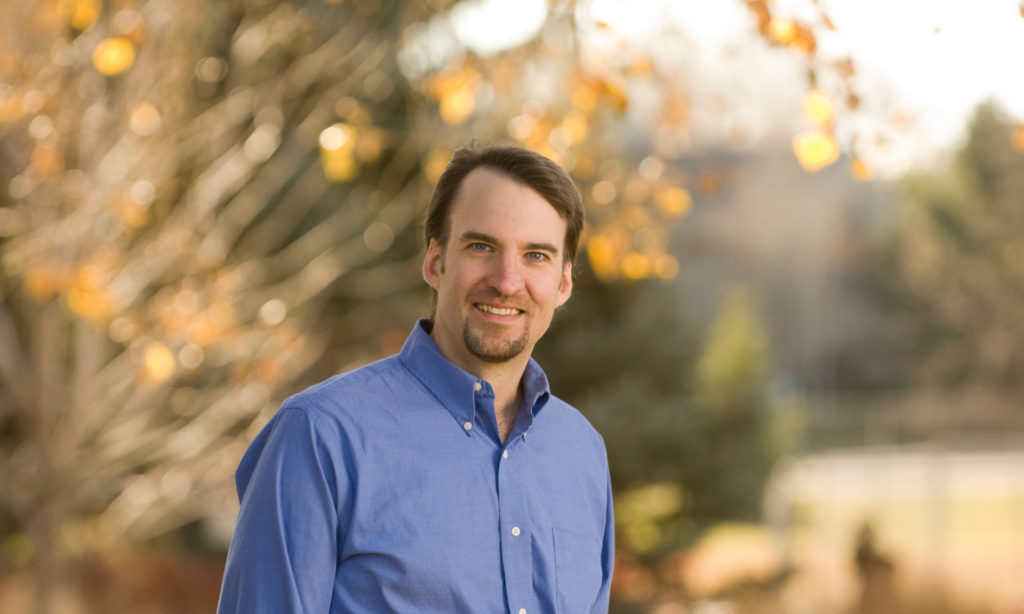
Dr. Thamm received his Bachelor’s and V.M.D. degrees from the University of Pennsylvania. Following graduation, he completed an oncology residency at the University of Wisconsin, and was a researcher there for five additional years before joining the Flint Animal Cancer Center faculty in 2004. He is a member of the Developmental Therapeutics Section of the University of Colorado Comprehensive Cancer Center and the Cell and Molecular Biology Graduate Program at CSU.
Contacts
Director of Clinical Research
Barbara Cox Anthony Professor of Oncology